

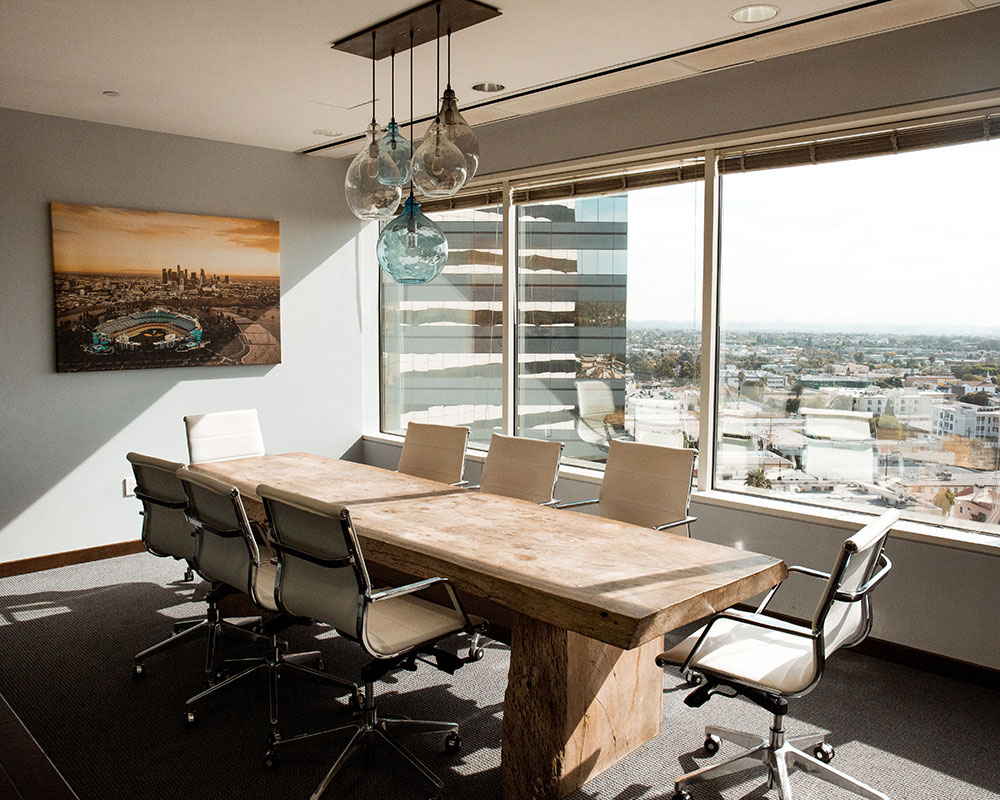
Walk through any busy office and you can usually tell within a few steps whether the flooring is helping or hurting the business. Worn seams in the lobby, dated patterns in a conference room, or echoey hallways all send quiet signals to clients and employees. When you’re responsible for a workspace, new floors can feel like a cost. In reality, the right commercial surface is one of the more dependable ways to improve how your office looks, functions, and earns.
How Floors Quietly Shape Your Office’s Bottom Line
Flooring touches almost every part of the workday. It affects first impressions at reception, noise levels during calls, comfort for people who stand or walk all day, and even how easy it is to keep common areas clean during slushy winters.
A durable, well-chosen surface reduces unplanned downtime. When you invest in materials designed for high traffic, you avoid constant repairs, trip hazards, and patchwork fixes that interrupt business. Over the life of a lease, that stability often matters more than the initial price tag.
There’s also a branding impact. Fresh, cohesive floors make your office feel intentional instead of improvised. That matters when you’re recruiting talent or welcoming clients who are comparing you to other firms in the region.
Durability vs. Cost: Understanding True Lifecycle Value
Many offices focus on the invoice instead of the lifespan. Two products might be a few dollars apart per square foot, yet perform very differently over ten years.
Materials built for commercial flooring solutions typically offer:
- Higher resistance to wear, staining, and chair casters, so replacement cycles stretch further apart
In practice, that often means a slightly higher upfront investment with fewer rip-outs and disruptions later. When you factor in lost productivity from closing areas for repairs, the “cheaper” floor can quickly become the expensive option.
For spaces that see rolling chairs, foot traffic, and frequent rearranging of furniture, dense commercial carpet tile, rubber, or resilient surfaces often deliver the best balance of comfort and longevity. They allow targeted replacement of damaged sections instead of tearing out an entire room.
Why Luxury Vinyl Has Become an Office Workhorse
One of the biggest shifts in office design has been the move toward hard-surface floors that still feel warm and professional. That’s where luxury vinyl flooring shines.
Well-specified LVT or LVP can:
- Imitate wood, stone, or concrete for a polished look in lobbies and corridors
- Stand up to rolling traffic, spills, and entryway moisture without warping
- Clean quickly, which keeps janitorial costs predictable and surfaces looking new
In an open office, luxury vinyl also pairs well with carpet tile in work zones. Hard surfaces guide visitors and define shared spaces, while softer areas reduce fatigue and absorb sound. When you plan these combinations intentionally, you get a space that feels high-end without creating a maintenance headache.
Planning for Western New York Winters and Real-World Use
Our climate adds a layer of complexity. Salt, snow, and constant thaw–freeze cycles can be brutal on floors near entrances, break rooms, and restrooms. Finishes that look great in a catalog may not hold up when slush, salt, and heavy boots hit them all winter.
That’s why we pay close attention to moisture management and slip resistance when we help design office spaces. In some layouts, it makes sense to bring in waterproof flooring for vestibules, copy rooms, or kitchenettes that see frequent spills. In others, we might recommend a combination of scraper mats, hard-surface walk-off zones, and commercial broadloom or carpet tile to trap debris before it reaches workstations.
Beyond product choice, smart phasing and installation planning protect your ROI. As Western New York’s oldest specialty flooring store, we’ve learned how to schedule projects so teams can keep working while sections are updated, rather than shutting down an entire office at once.
Ready to Run the Numbers on Your Office Floors?
If you’re looking at worn corridors or a dated lobby and wondering whether it’s worth tackling now or later, we can help you compare options in terms of lifespan, maintenance, and disruption, not just price per square foot. When you’re ready to talk specifics for your office, you can request a free estimate and we’ll walk through materials, layouts, and installation timing that make financial sense for your space.


