

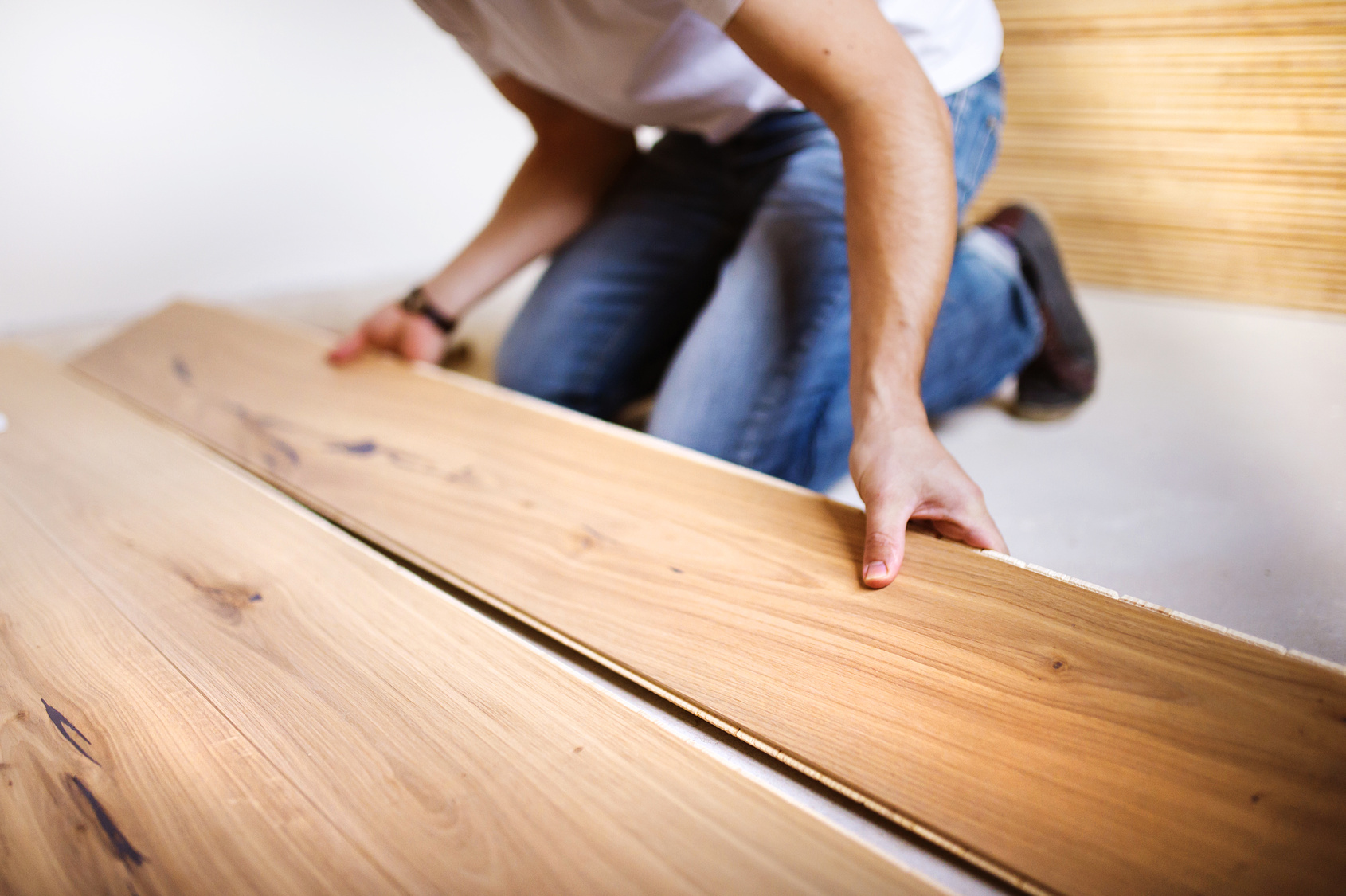
You set the thermostat, you shut the windows, and you assume your floors are living in the same calm, controlled environment you are. Then winter hits, the heat kicks on nonstop, and suddenly that “perfect” floor has tiny gaps, lifted edges, or a strange ripple down the hallway. It feels like it happened overnight, but it’s really your home responding to Western New York’s wild swings in temperature and humidity.
Understanding how floors expand and contract in our climate can save you from stress, repairs, and regret—especially when you’re choosing between hardwood, laminate, and luxury vinyl.
Why Floors Move More in Western New York
Every flooring material responds to changes in temperature and moisture. In our area, those changes are more extreme than many people realize.
In winter, the furnace dries out the air and wood-based products lose moisture. Boards and planks shrink, which can create visible gaps or noisy joints. In summer, humidity climbs, especially in older homes and basements, and those same materials swell. If there’s no room to move, they can buckle or cup.
Luxury vinyl behaves differently. The core is more dimensionally stable, but it is still affected by heat, cold, and direct sun. Long, sunny windows or a drafty entry can cause slight movement if the product isn’t installed with proper expansion space around the perimeter.
The key is this: movement is normal. Problems show up when the wrong material is used in the wrong space, or when installation doesn’t account for our freeze–thaw reality.
How Luxury Vinyl Handles Expansion and Contraction
Many homeowners come to us after a frustrating experience with shrinking seams or swollen boards and are surprised by how calm their home feels after switching to vinyl plank or tile. Modern luxury vinyl flooring is built with multiple layers that work together to manage movement.
The wear layer protects the surface from scratches and stains, but the real hero in our climate is the core. Most quality products have a rigid, waterproof core that doesn’t absorb moisture the way wood does. That means less swelling in humid months and fewer surprises if a bit of snow melt or a spilled drink lingers on the floor longer than it should.
Installation matters just as much as product choice. A professional crew will leave the right expansion gaps at walls, doorways, and fixed objects, and they’ll acclimate the material to your home before any planks are locked together. When the floor is given room to breathe, movement happens quietly in the background instead of showing up as buckling or separating.
Basements, Entries, and Other “Trouble Zones”
Some rooms in a Western New York home see more dramatic changes than others. Basements deal with cool concrete and seasonal moisture. Front entries battle snow, salt, and wet boots. Sunrooms and patio doors invite strong sunlight and temperature swings.
These are the spaces where a traditional wood or basic laminate can struggle. A better approach is to choose materials designed to resist water and handle daily abuse, such as modern waterproof flooring with tightly sealed joints and stable cores. In many homes, we’ll mix surfaces—perhaps carpet in bedrooms and hallways with vinyl in the mudroom and lower level—so each area gets what it needs.
Seeing these options in person often helps homeowners picture how different materials will react in their own trouble spots. Many people like to visit one of our Western New York showrooms and compare how various constructions feel underfoot while we talk through where movement is most likely in their home.
Simple Habits That Keep Your Floors Happier
Once the right product is installed correctly, a few everyday habits go a long way toward keeping expansion and contraction under control.
Try to keep indoor humidity in a comfortable mid-range with ventilation or a humidifier/dehumidifier as needed. Use blinds or shades in rooms with intense sun to reduce surface temperature swings. Clean up spills and melted snow quickly so moisture doesn’t sit along seams or edges.
Most importantly, ask questions before you buy. Our team has spent decades watching how different floors behave through countless WNY winters, so we can explain what to expect, not just how it will look the day it’s installed.
Ready to Choose a Floor That Can Handle WNY’s Mood Swings?
If you’re planning new floors and want them to stay stable through dry furnace air, humid summers, and everything in between, we’re here to help. You can walk through options with us in person or start by requesting a free estimate, and we’ll recommend products that are built to move the right way in your home—not against it.


