

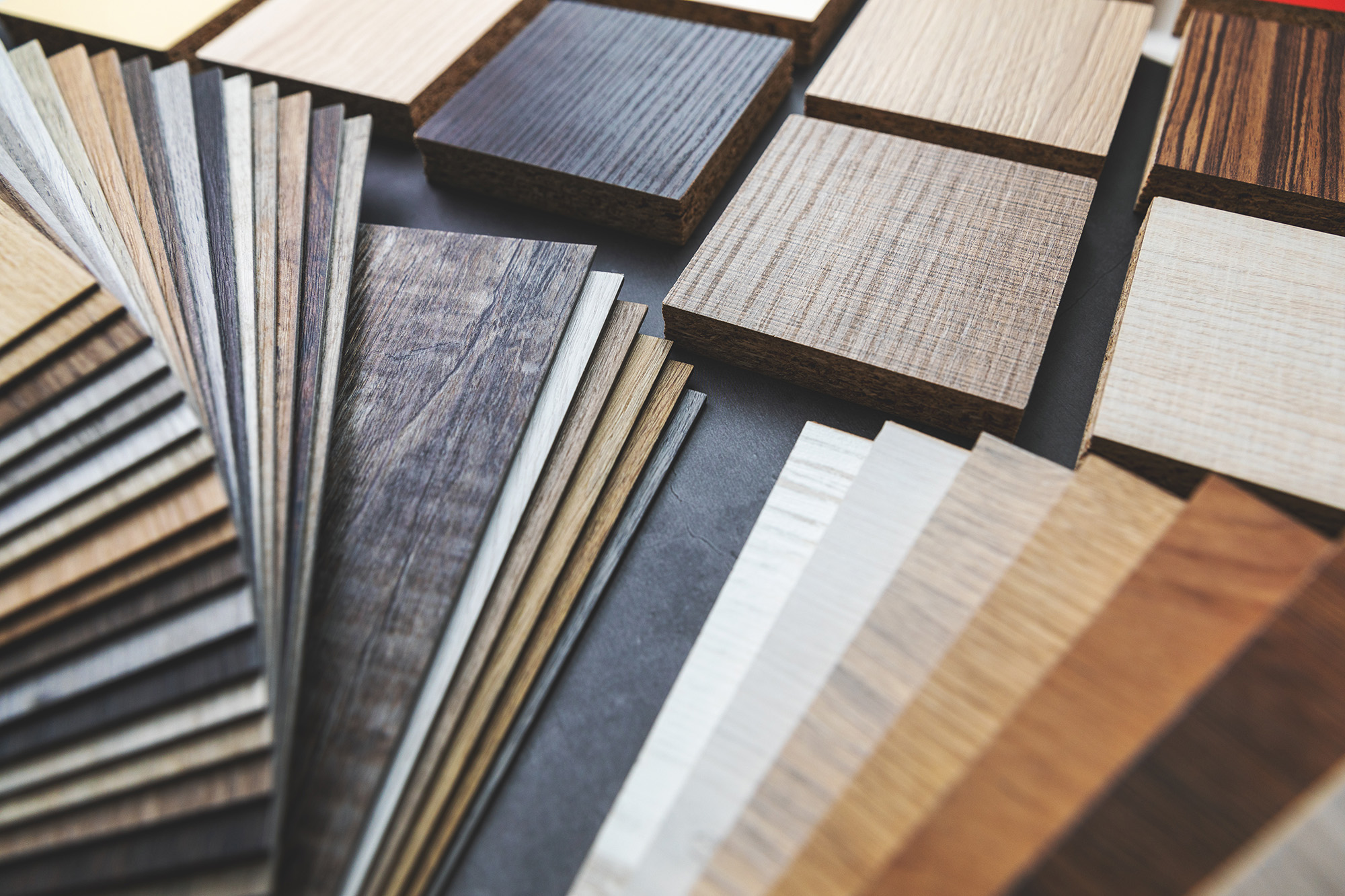
Matching a new floor to one you already have sounds simple until you start looking. A sample that seemed close in the store can read too gray at home. A wood look you liked online can suddenly clash with nearby cabinets, trim, or the floor in the next room. When you’re trying to make one space feel connected to another, small differences stand out fast.
That’s exactly why our shop-at-home process works so well. Instead of guessing under showroom lights, you can have samples brought to your home and compare them where the floor will actually live. Seeing color, texture, and plank size next to your existing surfaces gives you a much clearer answer than memory ever could.
Why matching is harder than most homeowners expect
Existing floors are influenced by more than color alone. Grain pattern, sheen, board width, and even the direction of natural light all affect whether a new material feels coordinated or obviously separate. A floor that looks like a perfect match in isolation may feel off once it sits beside older hardwood, painted baseboards, or a countertop with warm undertones.
That’s especially true in Amherst homes where open layouts, additions, and partial remodels often mean the new floor doesn’t stand alone. It has to relate to what’s already there. Our team helps narrow the field by looking at the whole room, not just a swatch in your hand.
Seeing samples in your own space changes the decision
At home, you can place samples right against the existing floor and step back. You can move them from the entry to the kitchen, check them in morning and evening light, and see how they look beside wall color and furniture. That side-by-side comparison is what gives people confidence.
It also helps you decide whether the goal should be a close match or a complementary one. Sometimes the best result isn’t duplicating an older floor exactly. It’s choosing something with a similar warmth, texture, or visual rhythm so the transition feels intentional. In spaces that deal with moisture or tracked-in weather, many homeowners end up exploring waterproof flooring because it can bridge practical needs with a look that still connects well to surrounding rooms.
The right material matters as much as the right color
When you’re blending old and new, performance should stay part of the conversation. A beautiful match won’t feel like a success if it struggles in a busy hallway, entry, or lower level. That’s why we talk through how the space is used before recommending a direction.
For many families in Western New York, luxury vinyl flooring makes matching easier because it offers a wide range of wood looks, tones, and textures without the upkeep concerns of natural wood in every room. If the existing floor has character but the new area needs something more forgiving, that flexibility can be a real advantage.
Better decisions start with real-world context
Photos can help you gather ideas, but they can’t show how a plank will feel next to your trim or whether a tone will pull too yellow under your lighting. In-home shopping slows the process down in the right way. You’re not choosing in theory. You’re choosing with context.
That’s one reason homeowners from Buffalo to Williamsville appreciate the convenience of starting at home. The process is easier, but more importantly, it leads to smarter selections. You’re able to compare options honestly and make a choice that feels right once it’s installed, not just while it’s sitting on a display rack.
If you’re trying to connect a new floor to an existing one, we’d be happy to help you sort through the options. You can request a free estimate and we’ll bring the conversation, the samples, and the guidance right to your door.


