

Picture a winter evening: dinner simmering on the stove, kids and pets racing in from outside, snow melting off boots, and slush cutting straight through the mudroom into the kitchen. If your floors aren’t planned carefully, that cozy scene turns into a cleaning marathon and a long-term wear-and-tear problem.
When kitchens and mudrooms share one continuous floor, every choice you make has to work double-duty. In our Western New York climate, that usually means planning around water, salt, and constant traffic as much as color and style.
Start With the Mess: How the Space Really Gets Used
Before you fall in love with a sample, walk through a typical day. Do you come in through the garage or a side door? Where do wet boots land? Does the dog’s water bowl live near the mudroom bench or by the kitchen sink?
In our area, snow and road salt don’t just stay on the mat. They get tracked across the whole first floor. That’s why many homeowners lean toward waterproof flooring that shrugs off puddles from boots, melting gloves, and drips from grocery bags. Thinking about these patterns early helps you decide how tough your floor really needs to be and where you might want extra protection, like a runner or a second mat.
Key idea: Design for how the space actually works, not how you wish it worked on a perfect day.
Why Waterproof Luxury Vinyl Shines in Kitchen–Mudroom Combos
Once you know where the wear and moisture land, materials come next. For a shared kitchen–mudroom floor, waterproof luxury vinyl is one of the most practical options we install.
Luxury vinyl plank and tile offer several advantages in these combo spaces:
- They handle standing water and slush far better than many traditional materials, especially on busy winter days.
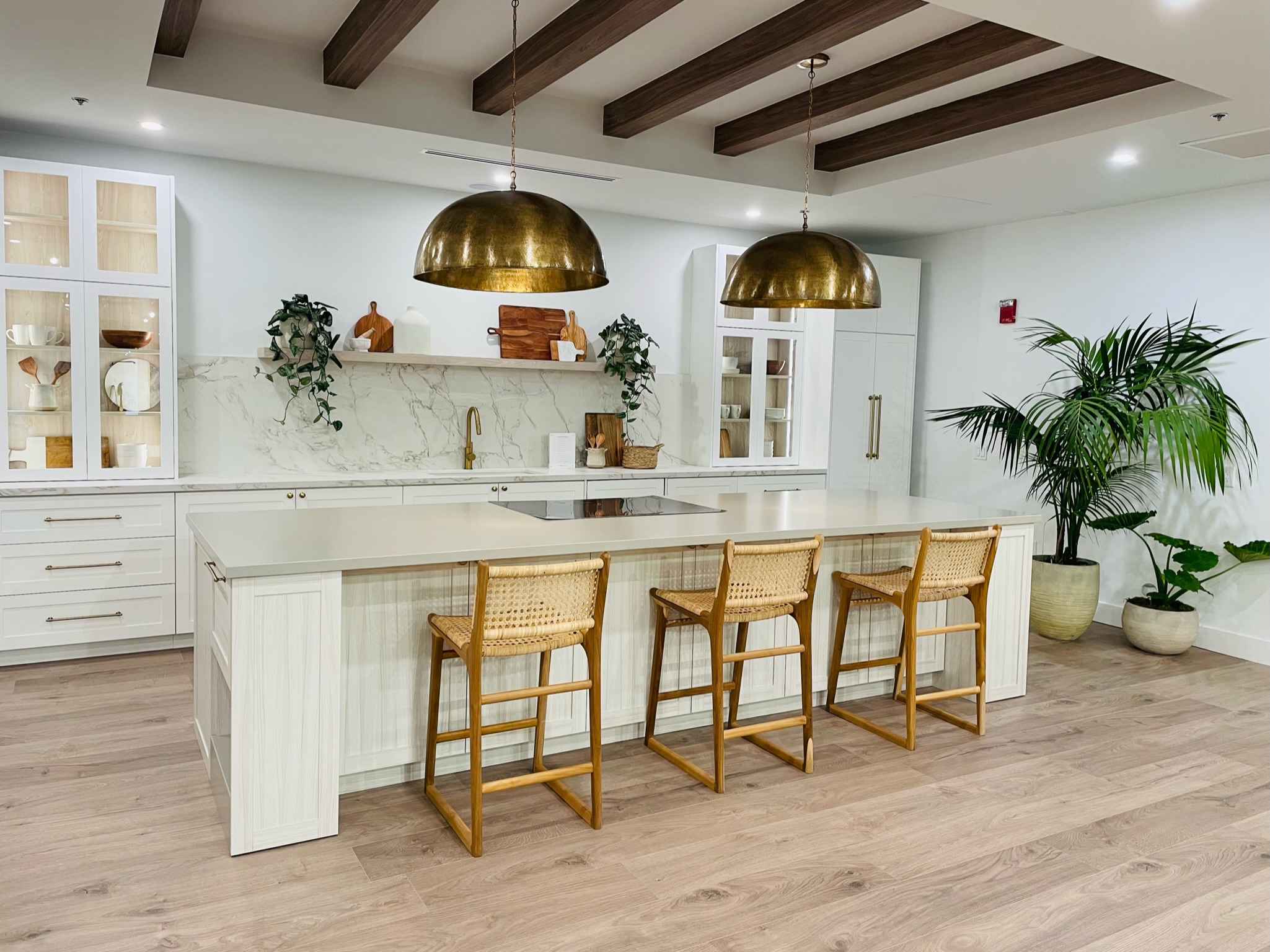
Today’s luxury vinyl flooring also looks remarkably realistic, so you can carry a warm wood look from the cooking zone straight through to the mud area without worrying about cupping or gapping every time temperatures swing. Many families appreciate the slightly softer feel underfoot compared to tile, which matters when you’re standing at the sink or island for long stretches.
Key idea: Choose a floor that’s tough enough for the mudroom but comfortable enough for the kitchen.
Planning a Seamless Look That Still “Zones” the Space
Even with one continuous floor, you can still make the kitchen and mudroom feel like distinct areas. That starts with color and pattern. A mid-tone plank, for example, hides salt streaks and crumbs better than very dark or very light tones, while a subtle variation in the pattern keeps footprints from standing out.
From there, think about transitions and layering:
- In the mud zone, a washable runner or mat can catch the worst of the snow and grit.
- In front of the sink or prep area, a cushioned mat or small rug can add comfort without breaking the visual flow.
If you’re not sure how a particular pattern will look from entry to fridge, it can help to see it in person at one of our Western New York showrooms, where you can compare how different planks and tiles line up and transition across a larger area.
Key idea: Use one continuous material for flow, then rely on color, layout, and rugs to define each zone.
Making Decisions Easier With Real-Home Lighting
Kitchen–mudroom combos often have mixed lighting: bright by a patio door, dimmer by interior walls or garage entries. That can make the same plank look completely different from one end of the room to the other.
If you’re juggling a busy schedule, our shop-at-home service lets you see waterproof and luxury vinyl options right where they’ll live—under your actual light fixtures and next to your cabinets, trim, and appliances. It’s much easier to judge whether a floor will hide salt lines, blend with existing woodwork, and keep both spaces feeling cohesive when you’re standing in your own kitchen and mudroom.
Key idea: Always review potential floors in your real lighting before you commit.
Ready to Plan Your Kitchen–Mudroom Floor?
Designing a shared floor for these two hard-working rooms is all about balancing durability, comfort, and a look you’ll love for years—especially in a climate that’s tough on surfaces. Waterproof and luxury vinyl options give you the flexibility to do all three in one continuous installation.
If you’re starting to sketch ideas or you’re ready to move ahead, you can request a free estimate and we’ll help you choose and install a floor that handles Western New York winters without sacrificing style.


