

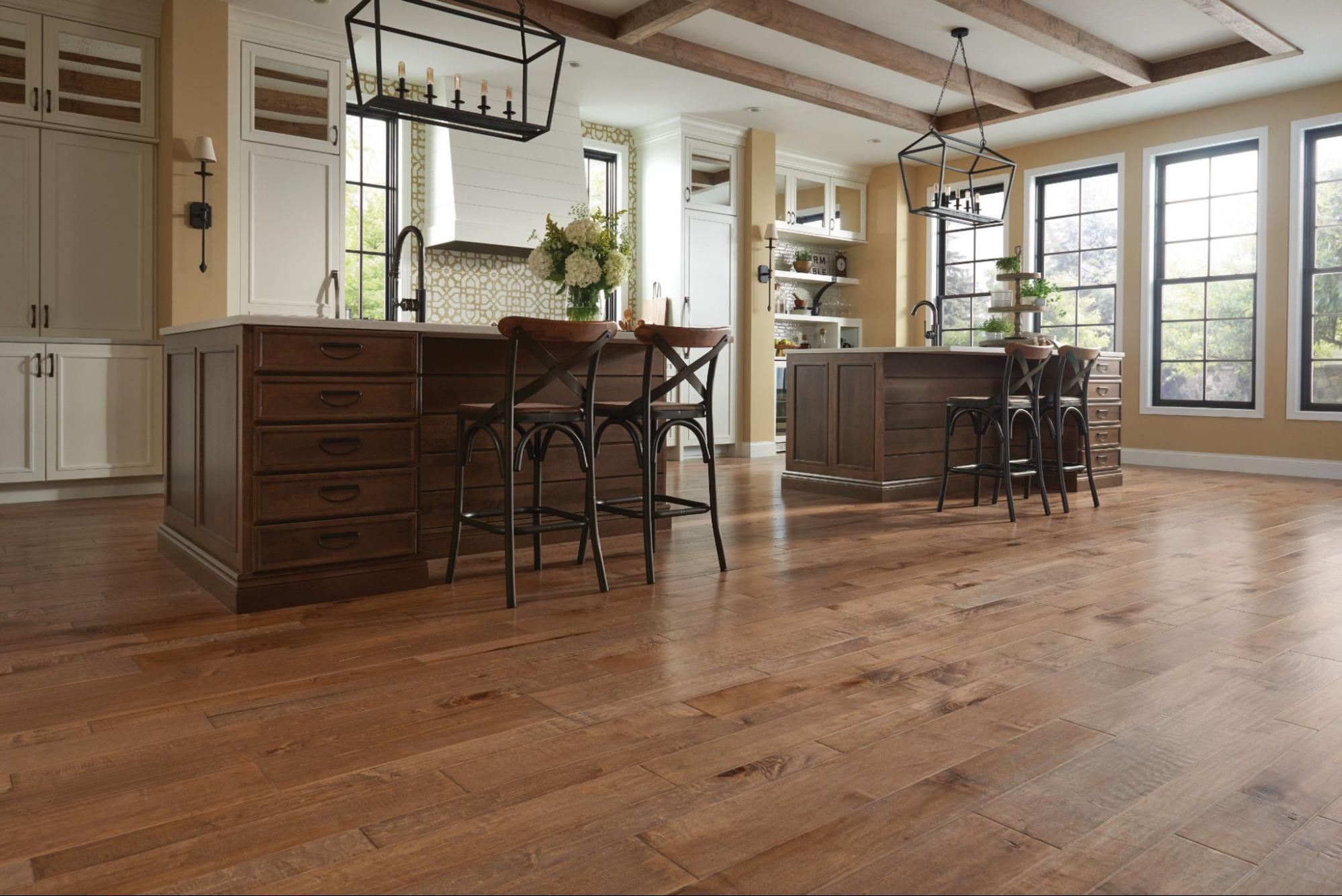
You walk across your kitchen and think, “It’s time.” The floor is tired, the grout never looks clean, and every winter the salt and slush seem to do a little more damage. You know new flooring will change the whole feel of your home, but the big unknown is cost. Why does one quote come in much higher than another, and what are you actually paying for?
Let’s break down the real drivers of flooring price so you can plan with confidence.
Material choices: what you see (and what you don’t)
The biggest swing in cost usually comes from the material itself. Even within one category, prices can range widely based on quality, thickness, and construction.
Waterproof options are a good example. Many homeowners here choose waterproof flooring for basements, mudrooms, and kitchens because of lake-effect moisture, wet boots, and pet accidents. Within that category, thicker cores, stronger wear layers, and better locking systems cost more up front but usually last longer and look better over time.
Luxury vinyl works the same way. Entry-level planks may look fine on day one, but higher-end luxury vinyl flooring uses more realistic textures and tougher finishes that resist scratches from chairs, toys, and grit. Paying a little more for durability often saves you from replacing floors sooner than you planned.
Your home’s layout: the hidden work behind the scenes
Two rooms with the same square footage can have very different installation costs. What changes the math is how your home is put together.
Open, square spaces are faster to install than rooms with lots of angles, hallways, and built-ins. Staircases, railings, and flush transitions to other surfaces all add time and detail work. Older homes might need subfloor repairs, leveling, or moisture barriers before new floors can go down safely.
Moisture is a big factor in our region. A below-grade family room with occasional dampness may need additional prep so a waterproof product can perform as designed. When you see line items for prep work, those steps are usually protecting you from problems like buckling, mold, or soft spots later.
Climate and lifestyle: matching floors to real life
How your household lives on a floor also drives cost decisions. A quiet, shoes-off bedroom can use a different material than a busy back entry where kids, pets, and groceries come through all winter.
In snow season, water, salt, and grit can be brutal on some surfaces. That’s why many families lean toward moisture-tolerant products in entryways and lower levels. In busy households, resilient options that combine softness underfoot with easy cleaning can be a better long-term value than something that looks great but stains or scratches easily.
Seeing finishes in your own lighting helps you judge how they’ll look against your walls, cabinets, and existing trim. If getting to a store is tricky, our shop-at-home service brings a mobile showroom to you so you can compare options right in the rooms you’re updating.
Why quotes vary: what’s included (and what isn’t)
When you compare estimates, you’re not just comparing price per square foot. You’re comparing what each company includes.
Some quotes bundle removal of old flooring, moving furniture, disposal, trim work, and transitions. Others list those as separate add-ons or leave them out entirely. A lower number can look appealing until you realize it doesn’t cover everything you assumed.
It also matters how the store sources its products. Because we buy directly from manufacturers in large volume, we can often offer better materials at a similar or lower total project cost. A detailed, transparent quote helps you see where your money is going and whether you’re paying for true quality or just a name.
Ready to get real numbers for your home?
Every house and family is different, and so is every flooring project. The most accurate way to understand your costs is to have a flooring expert measure your rooms, look at your subfloors, and talk through how you actually use each space.
If you’re starting to plan a project, you can request a free estimate, and we’ll help you compare materials, understand the tradeoffs, and build a floor that fits both your budget and the way you live.


